How Transit Access Shapes Land Value
Why proximity to a station can affect what land is worth, what the mechanism depends on, and why the effect is not automatic.
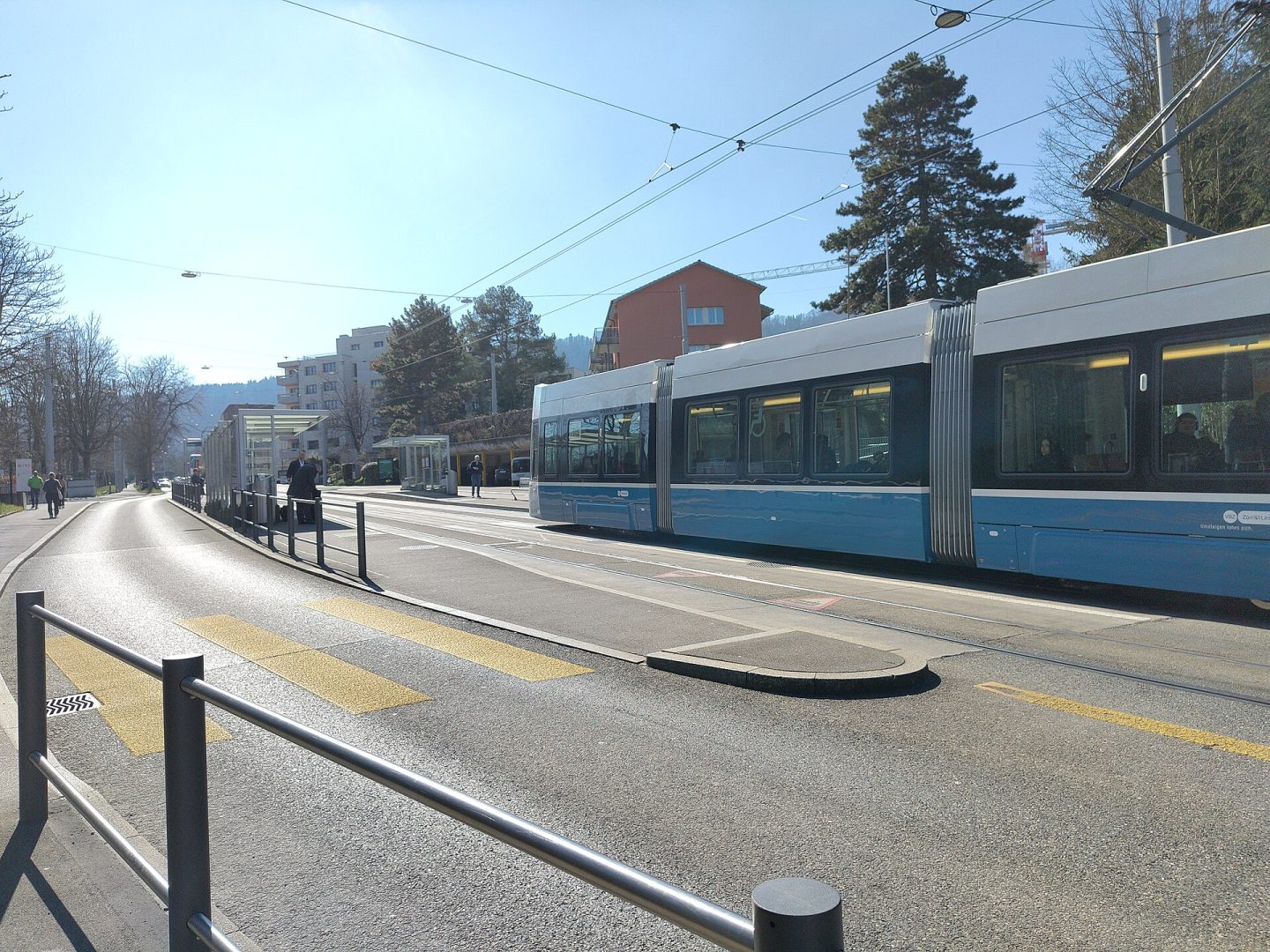
Urban economists have long observed that access matters for land value. Land that lets people reach jobs, services and other destinations more easily tends to be in higher demand. Transit is one of the ways a city changes access, which is why new stations attract attention from owners, developers and local governments.
The mechanism, step by step
- A new or improved line reduces travel time between an area and major destinations.
- Households and businesses value that time saving and are willing to pay more to locate nearby.
- Higher willingness to pay shows up first in rents and then in land prices.
- If zoning allows more density, developers can build more space, which can spread demand across more units.
What the effect depends on
Several conditions shape whether and how much value changes:
- Service quality. Frequency, reliability and travel time matter more than the existence of a station.
- Destinations served. A line that connects to major job centers usually matters more than one that does not.
- Walkability around stations. Value effects tend to be concentrated within walking distance.
- Land-use rules. Restrictive zoning can limit new building and shift effects into prices of existing property.
- Nuisance effects. Noise, traffic or parking pressure can offset benefits for properties very close to a line.
| Distance from station | Access benefit | Possible nuisance | Net tendency |
|---|---|---|---|
| Immediately adjacent | High | Can be noticeable | Mixed |
| Short walk | High | Low | Often strongest |
| Long walk | Moderate | Low | Weaker |
| Beyond walking distance | Depends on feeder options | Low | Often small |
Correlation is not causation
Stations are often placed in areas that were already growing, which can make transit look more powerful than it is. Careful studies compare similar areas with and without new service, and look at changes over time rather than a single snapshot.
Timing and expectations
Value effects do not always wait for the first train. When a project is announced and funded, buyers may begin to price in the expected improvement in access, especially near planned stations. If plans change or are delayed, those expectations can unwind. After service starts, effects can continue to build for years as new development responds and as travel patterns adjust. This is one reason why studies that look only at the opening year can understate or overstate the long-run relationship.
For owners and residents, the practical lesson is to look beyond the map. The quality of the walk to the platform, the frequency of trains and the destinations they reach usually say more about future demand than the station itself.
Why it matters for U.S. real estate
Many U.S. regions are investing in transit and in policies that encourage development near stations. Understanding the mechanism helps owners and communities set realistic expectations and plan land use around new service.
Limits of this view
Effects differ widely across cities and lines, and may take years to appear. Any local estimate should rely on local data and careful methods.
Educational content. This article explains general concepts. Examples use hypothetical figures and are not market data. Nothing here is individual investment, legal, tax or appraisal advice. See our editorial standards and disclaimer.